
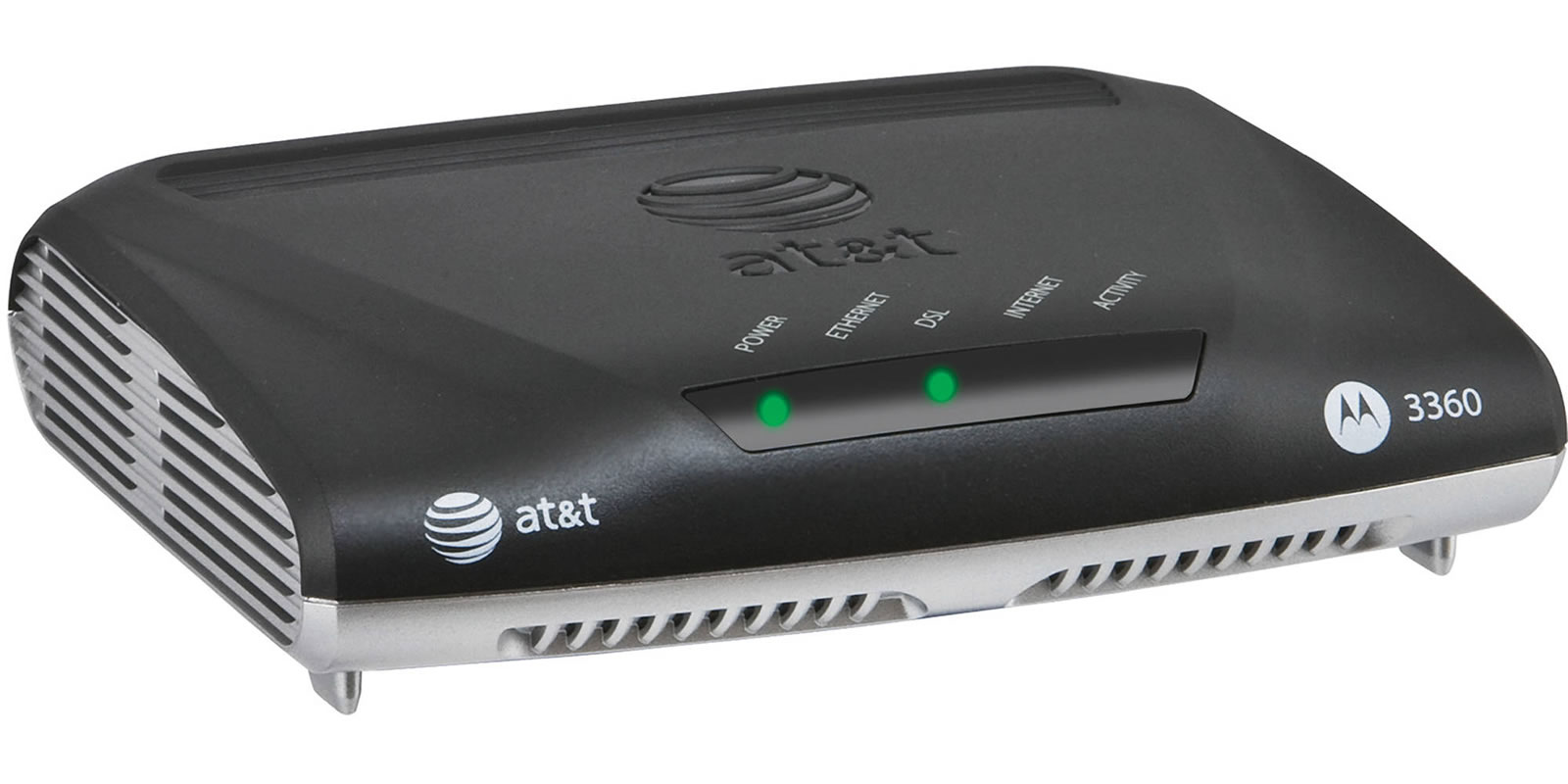
In the early days of the World Wide Web, most telephone companies used to deliver dial-up internet, which was extremely slow and tied up with home phone lines. As a result of increasing demand for internet access— high network speeds and reliable connection—DSL was launched.
DSL is short for Digital Subscriber Line and is one of the most common internet connections in many American homes today. What makes DSL special is that it uses existing copper phone lines with unique modifications.
DSL Internet: How Does it Work?
DSL delivers a high-speed bandwidth connection by utilizing the standard copper telephone connection that already serves your home. This is pretty cool as most of us reside in a home or apartment wired for a phone—even today when landlines have become almost obsolete.
Another great thing about DSL technology is that it transmits within the frequencies that your home phone does not, allowing you to make phone calls and use the internet at the same time.
Types of DSL Technology
DSL internet service is either symmetric or asymmetric, but what’s best for you primarily depends on your internet usage.
Symmetrical DSL
With symmetrical DSL connections, you get to have equal bandwidth for upload and download speeds. Mostly, business-class DSL services are symmetric as companies have higher demands for sending data than residences.
Asymmetrical DSL
Compared to symmetrical DSL, asymmetrical is a more popular and faster type of DSL connection. That is because people usually download more information than they upload. For this reason, an asymmetrical connection offers less upstream bandwidth and more downstream bandwidth, catering to the typical needs of its residential subscribers.
What is a Good DSL Speed?
The maximum speed you can get from the DSL providers in your area may vary based on the plan you pick and the ISP you opt for. Just to give you an idea, the slowest DSL connections can be even less than 1 Mbps. Alternatively, faster DSL plans can deliver connections over 100 Mbps, which is enough for most online activities, including video streaming.
Is DSL Expensive?
DSL is still one of the most reasonably priced internet services out there, delivering speeds fast enough for basic streaming and downloading. However, your DSL internet plan will generally be priced based on the speeds you choose.
On average, DSL internet plans range from $20 – $45 a month. The biggest perk that comes with your DSL service is lower price hikes when compared to cable or fiber internet providers.
Best DSL Internet Providers
Here are some of the top DSL providers in the United States to look for:
- Century Link Internet: Best overall
- Frontier Internet: Perfect option for anyone who hates hidden fees
- AT&T Internet: Wide availability topped with some of the best bundle deals
- Kinetic by Wind stream: Great choice for rural residents
Is DSL a Good Option for Rural Areas?
Yes, in most cases, DSL is a relatively better choice in rural areas, but if speeds max out at just 1-5 Mbps, satellite internet may actually perform better.
One of the major drawbacks of satellite internet is that its plans tend to come with limiting data caps. This restricts you to only basic internet usage and virtually prevents bandwidth-heavy activities such as streaming Netflix every day.
If you weigh up DSL, data limits are usually a lot higher — mostly around 1 TB — and at times even unlimited. You can unintentionally consume hundreds of gigabytes very quickly by downloading heavy data files or streaming videos in the finest format — just a heads up to help you make a well-thought-out decision.
DSL Rural Internet Providers
If you are looking for the best rural internet providers, take your time to explore all the available options in your area. For your ease, here is a table displaying some of the best DSL rural providers along with their key service features:
| Internet Provider | Connection Type | Service Features |
| AT&T Internet | DSL | ü Available nationwide
ü Contract-free agreements ü Affordable quality |
| CenturyLink | DSL | ü Widely available
ü No data caps ü No contract |
| Windstream | DSL | ü No data caps
ü Guaranteed value for money ü No contractualagreements |
| Frontier | DSL | ü Price for Life Guarantee
ü No contracts ü Everyday low price offerings |
If you live in an area with typical DSL coverage from providers like AT&T or Century Link, we suggest you opt for one of their DSL packages without any second thoughts. And enjoy fast and reliable internet without breaking the bank.
On the other hand, if you happen to live in an area that does not have access to other broadband types, we highly recommend you to go for HughesNet’s Gen5 satellite internet plans.
Bottom Line
Now that you have adequate knowledge about DSL internet technology, the next step is choosing the best DSL provider for your household. This decision mainly depends on where you live, what’s available in your area, and what exactly you are looking for.
Unfortunately, you may have little to no choice among ISPs, depending on your exact address. But you will probably have a few speed tiers to take your pick from. So, Good Luck!

